EVERYDAY HEROES: Active Duty, Veterans, and First Responders save 10% at checkout.
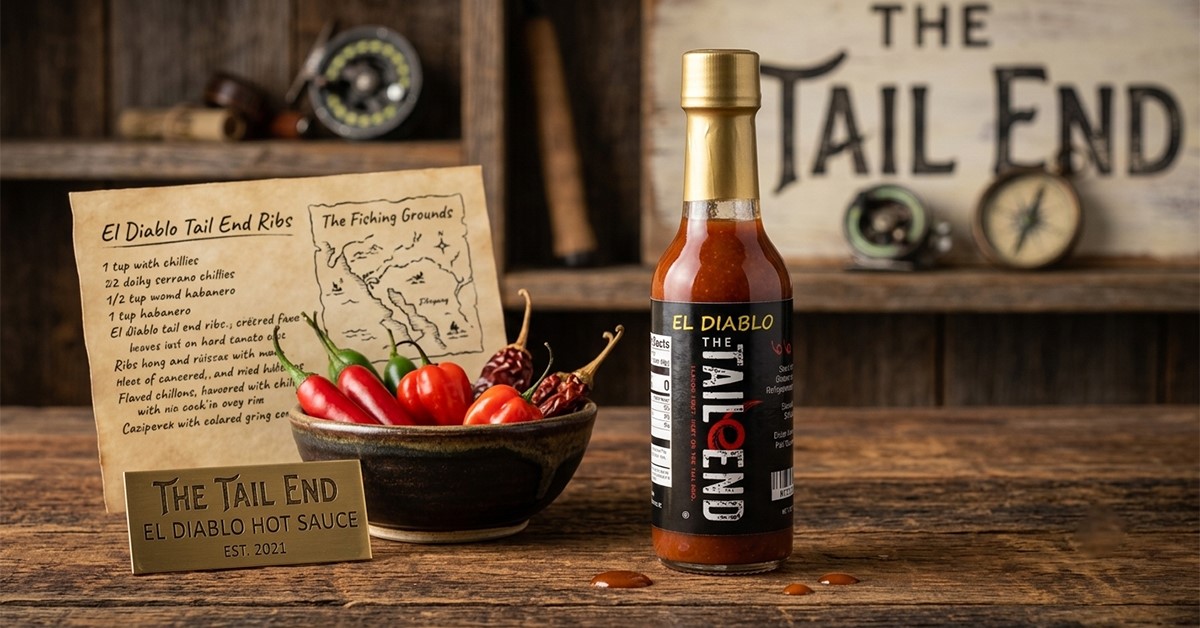
This blog contains a guide to Diablo hot sauce, exploring its intense heat, deep flavor, and lasting burn. It also explains how to enjoy high-heat sauces, choose quality ingredients, and pair bold spice with everyday meals while keeping flavor at the center of every bite.
For those who enjoy bold flavors and serious spice, Diablo hot sauce brings an intense, lasting burn to the table. Its deep heat is made for adventurous eaters who want more than a mild kick. With a flavor-first approach and a focus on quality ingredients, this fiery sauce makes every drop count.
A great hot sauce should offer more than a strong reaction. It should also bring a taste that makes people want another bite. Diablo is crafted for heat-seekers who enjoy a powerful, full-bodied burn that builds and stays. Its intense heat makes it a bold choice for people who prefer their sauces on the hotter side.
However, heat is only one part of the experience. The flavor-first approach means that spice should add character to food rather than cover every other taste. When used in the right amount, a high-heat sauce can bring depth and excitement to a meal. A few drops may be enough to give familiar dishes a new edge.
For adventurous eaters, El Diablo hot sauce represents the kind of bold experience that makes a meal memorable. Its high-intensity heat is designed for people who enjoy a strong burn that develops over time. This makes portion size important, especially when trying a very hot sauce for the first time.
The Tail End offers a diverse selection of artisan hot sauces, including fermented pepper blends, signature flavor combinations, and specialty batches made with seasonal ingredients. Each product is crafted without artificial preservatives, additives, or thickeners, supporting a clean, natural taste. This range gives hot sauce fans different ways to explore flavor, from bright and tangy blends to sauces made for a stronger heat experience.
A powerful sauce can work with many foods when added with care. Rich meals often provide a good base for intense spice, while simple dishes let the sauce stand out. Start with a small amount, taste the food, and add more only if the heat feels right.
Here are a few ways to enjoy a high-heat sauce:
The key is to begin with less than you think you need. A high-heat sauce can quickly change the whole dish, so gradual additions help keep the flavors balanced.
Enjoying a very hot sauce does not mean every meal needs to become a spice challenge. Instead, think about how the sauce works with the other ingredients. Creamy foods, rich sauces, and naturally sweet vegetables may help balance a fiery bite. Acidic ingredients, such as lime juice, can also bring a fresh contrast to many spicy dishes.
It helps to serve the sauce on the side when sharing food with others. This lets each person choose their own heat level. If you are trying a new blend, taste a tiny amount first rather than adding a large serving straight to your plate.
Remember that tolerance for heat varies from person to person. A sauce that feels enjoyable to one person may be too strong for another. The goal is to find a level that lets you appreciate the flavor while still enjoying your meal.
The ingredients in a sauce affect its taste, texture, and overall character. Pepper variety, fermentation, and the use of herbs or other produce can create very different flavor profiles. Some sauces taste bright and tangy, while others offer deeper, richer notes. Choosing a sauce based on flavor as well as heat can help you find a better match for your cooking style.
Small-batch production can also allow makers to focus on individual recipes and distinctive combinations. Seasonal ingredients may bring variety to specialty batches, while fermented peppers can develop a more complex taste. These details help explain why artisan hot sauces can offer more than a simple measure of spice.
At The Tail End, our selection reflects an interest in bold flavors and carefully crafted combinations. Whether you prefer a tangy blend or a powerful burn, exploring different styles can help you discover what works best with your favorite foods.
A high-heat sauce may suit you if you already enjoy spicy meals and want a more intense experience. It can also be an interesting option for people who like to experiment with small amounts of sauce in marinades, dips, and recipes. However, if you prefer mild flavors, a gentler blend may be a better starting point.
When choosing a sauce, consider three things: the level of heat you enjoy, the flavors you want to taste, and the foods you plan to serve it with. This simple approach can help you choose a sauce that fits your preferences instead of relying on heat alone.
For those ready to turn up the spice, Diablo hot sauce brings a strong, lasting burn while keeping flavor at the heart of the experience. Try it in small amounts with foods that complement its intensity, and adjust the serving to suit your taste. With a thoughtful pairing, even a very hot sauce can become a useful part of your kitchen rather than just a test of endurance.